Reading Duration: 5 min
Dangerous Goods Shipping: The Mistakes Most Make
Released: February 26, 2026
Released: February 26, 2026

Dangerous goods shipping isn’t your average logistics task. It’s a high-stakes, high-responsibility process where even a small mistake can lead to catastrophic results, from costly fines to environmental disasters, and worst of all, loss of life. You don’t just ship dangerous goods without doing as much research about them as possible.
If your work involves dangerous goods shipping (whether you’re a business owner, logistics manager, importer, or exporter), it’s crucial to understand where things often go wrong and, more importantly, how to avoid those pitfalls. You also need to seriously consider partnering with a freight provider that has experience in this fields and can help you see the pitfalls before the cargo is booked for pickup.
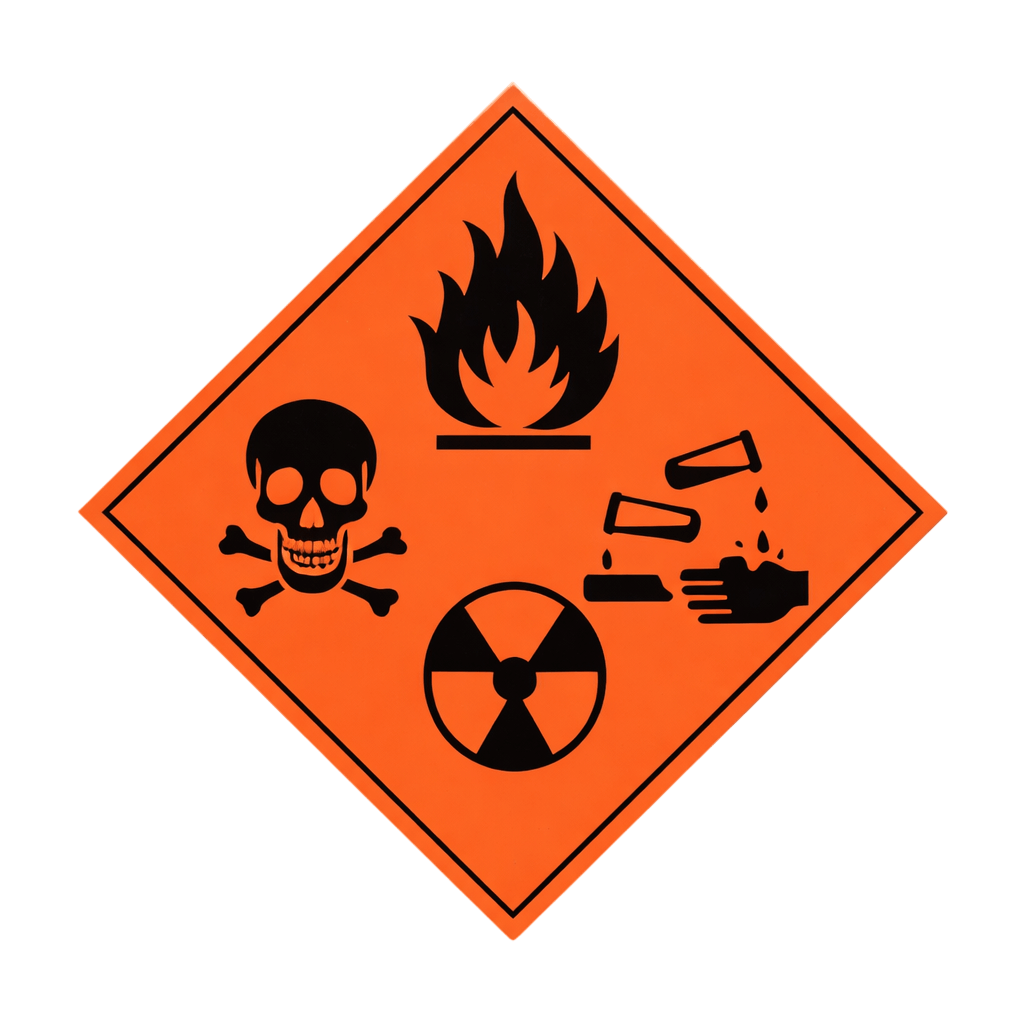
Dangerous Goods Shipping FAQs
Why Dangerous Goods Shipping Demands Absolute Precision
Dangerous goods shipping requires more than just compliance; it demands absolute precision, clear understanding, and expert handling. Why? Because the risks involved are real, immediate, and sometimes tragic.
Real-Life Tragedies That Could Have Been Prevented
The Stakes Are Higher Than You Think
Common and Costly Mistakes in Dangerous Goods Shipping
So, what are the mistakes that trip up companies most often in dangerous goods shipping? Here’s where you want to pay close attention.
Misclassification Of Cargo
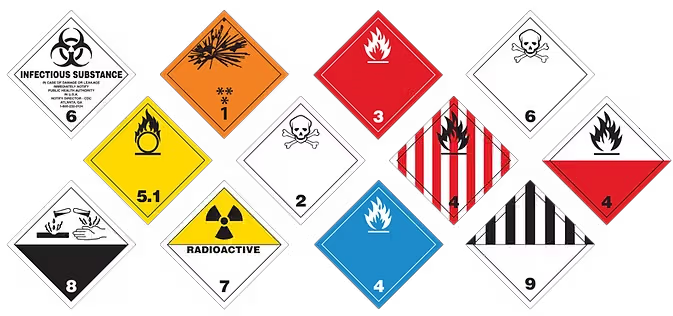
One of the biggest blunders in dangerous goods shipping is misclassifying your cargo. Each dangerous good falls under a specific UN classification, which dictates how it must be handled, packaged, and labeled.
Understanding UN Classifications
Think of UN classes as the “language” of dangerous goods shipping. If you speak the language incorrectly, your shipment gets misunderstood, mishandled, or worse, stops moving altogether.
Review your Material Safety Data Sheet (MSDS) carefully to determine the correct classification. Missteps here lead to everything else falling apart in your dangerous goods shipping process.
Incorrect Packaging and Labeling
Once classified, the next step is packaging. You can’t just slap your dangerous goods into any box and ship it off.
Why Packaging Matters
Labeling: More Than Just a Sticker
Labels communicate risks clearly. They tell everyone, from warehouse workers to customs officials, what they’re dealing with. Using incorrect or missing hazard labels can stop your dangerous goods shipment cold and expose your company to penalties.
Ignoring IATA Standards
The International Air Transport Association (IATA) sets global standards for dangerous goods shipping by air.
What is IATA and Why Compliance is Non-Negotiable
IATA’s rules exist for safety and efficiency. Ignoring these standards risks not only delays and fines but also endangers lives. Following IATA guidelines is the difference between smooth clearance and catastrophic failure in dangerous goods shipping.

Incomplete or Missing Documentation
The paperwork side is just as important as physical handling in dangerous goods shipping.
The Importance of the Dangerous Goods Declaration
Without a fully completed Dangerous Goods Declaration, your shipment can be stopped, delayed, or mishandled. This document lists every hazardous item, how it’s packed, and what precautions are in place. Incomplete paperwork is a quick route to costly headaches in dangerous goods shipping.
Choosing the Wrong Freight Partner
Expertise Matters: What to Look For
Partner only with logistics experts like Send-IT who have proven experience with dangerous goods shipping. We know the rules, the documentation, and the packaging requirements inside out, and can help you avoid mistakes before they happen.

Why Dangerous Goods Shipping Matters Beyond Compliance
This isn’t just a box-ticking exercise; it’s about responsibility.
-
Protecting Lives and the Environment
Proper dangerous goods shipping keeps workers, communities, and ecosystems safe.
-
Saving Money, Time, and Reputation
Mistakes in dangerous goods shipping lead to delays, fines, lost business, and damage to your brand. Getting it right means smoother operations and peace of mind.