Reading Duration: 3 min
Rail vs Ocean Freight
Released: February 27, 2026
Released: February 27, 2026
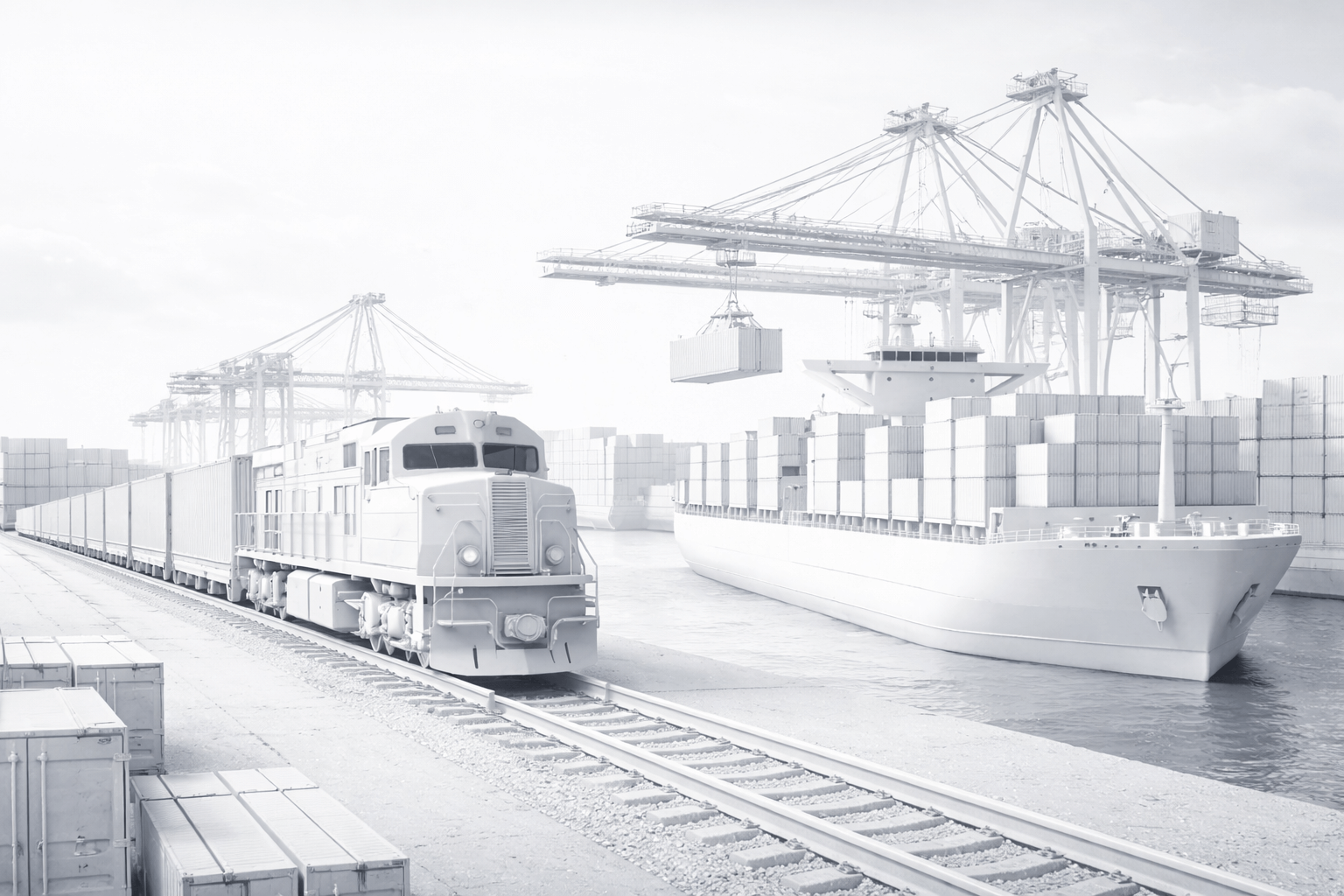
Rail Freight: Fast and Flexible
Rail freight offers a powerful middle ground between speed and cost for shipments moving between Asia and Europe. Often referred to as the “Eurasian land bridge,” rail routes connect major manufacturing hubs in China with key distribution centers across Europe via an extensive transcontinental network. For businesses that cannot afford the long transit times of ocean freight but find air freight too expensive, rail provides a practical, balanced solution. It is particularly well suited for high-value goods, electronics, automotive components, and retail products that need to move quickly without incurring premium transport costs.
Ocean Freight: Cost-Efficient for Bulk Shipments
Ocean freight remains the backbone of global trade and the default choice for moving large volumes of goods between Asia and Europe. Container ships can carry vast quantities of cargo at a fraction of the cost of other transport modes, making sea transport indispensable for bulk commodities, consumer goods, and non-urgent shipments. Although transit times are longer, the scalability and affordability of ocean freight make it ideal for businesses with well-planned supply chains that prioritize cost efficiency over speed.
Why More Companies Are Choosing Rail
With rising sea freight costs and delays due to Suez Canal disruptions and Red Sea tensions in 2024, many companies started turning to rail as a strategic alternative. The China–Europe Railway Express has seen increased demand thanks to its faster transit times and competitive rates.
How to Choose: Rail or Ocean?
If you are deciding between rail and ocean freight, the right choice depends on what matters most for your shipment. So you need to consider speed, cost, sustainability, or capacity.
- Speed: Rail 12–20 days | Ocean 30–45 days
- Cost: Rail mid-range | Ocean lowest cost
- Eco-friendliness: Rail lowers emissions | Ocean higher emissions
- Reliability: Rail is high on fixed routes | Ocean can vary due to port congestion, weather, and disruptions
- Volume capacity: Rail is limited to containers per train | Ocean handles very large volumes on high-capacity vessels
- Flexibility: Rail uses fixed routes and often requires intermodal transfers | Ocean offers wide global coverage with many origin and destination ports
In general, rail freight is ideal when you need a balance between speed and cost, especially on established land corridors. Ocean freight is the best option for large volumes, long distances, and shipments where minimizing cost is the top priority.
Our Recommendations
Rail freight is perfect if you need a faster alternative to sea freight without the high cost of air. It’s also a smart move for eco-conscious brands and those needing greater schedule control.
Ocean freight, on the other hand, is your go-to for bulk shipping and cost efficiency, especially if you have flexible timelines and high-volume loads
Do You Still Need To Figure Out Costs?
Look no further than the SendIt instant quoting tool, which will help you to get instant rates on both rail and ocean shipments so that costs are no longer one of the things that you need to guess.
Do You Need A Custom Solution?
SendIt is always ready to give you a call or send you an email to see exactly what you would need to get your goods picked up and delivered where they need to go. Just tell us how to get in cantact with you and we will guide you through the rest of the process.