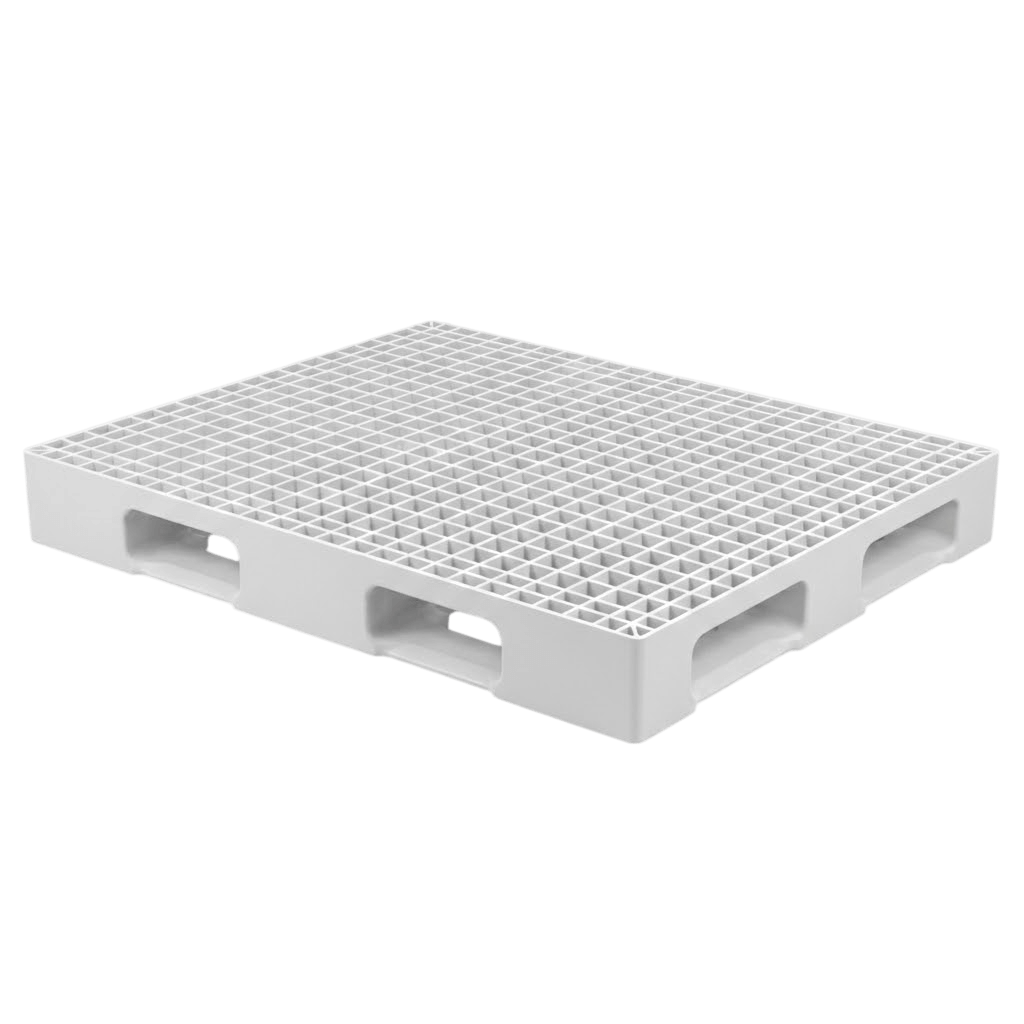
Plastic pallets offer a cleaner, more hygienic alternative to traditional wooden pallets. They are non-porous, which means they do not absorb moisture, harbor bacteria, or develop mold, making them especially suitable for sensitive industries such as pharmaceuticals, food production, and medical supplies where strict sanitation standards apply. Unlike wood, they do not splinter, shed debris, or require fumigation for international shipping, which reduces contamination risk and compliance concerns.
Reading Duration: 5 Min
Shipping Pallets 101
Released: February 26, 2026
Released: February 26, 2026

If you’re new to freight shipping, you might be surprised how much rides on a pallet, literally. These flat structures may seem simple, but they play a huge role in protecting your products, streamlining operations, and keeping shipping costs in check.
In this all-in-one guide to shipping pallets, we’re breaking down the essentials: what pallets are, which types you should use, and how to optimize them for safe, efficient freight shipping. Whether you’re shipping a few crates or managing a full warehouse, getting your pallet strategy right makes a big difference.
Why Pallets Matter When Shipping Freight
At their core, pallets are platforms used to stack, store, and move goods. They make it easier for forklifts, pallet jacks, and trucks to handle your cargo efficiently.
But here’s where it gets important: the way your products are stacked on a pallet, what material the pallet is made of, and how it fits with standard transport sizes can directly impact factors like:
-
Shipping costs
-
Delivery time
-
Product damage
-
Compliance with regulations
That’s why at SendIt, we work closely with businesses to help optimize pallets for every leg of the journey.

Understanding Pallet Standards
Pallets come in standard sizes so they can fit neatly into transport vehicles and warehouse racking systems. But “standard” depends on where you are in the world.
Most Common Pallet Sizes
There are six internationally recognized pallet sizes defined by the ISO (International Organization for Standardization), but most regions rely on one or two of these formats.
Here’s a breakdown of the most commonly used pallet sizes by region, including their length, width, typical height, and weight capacity:
Load Capacity Ratings
Pallets are also rated based on how much weight they can safely hold:
-
A static load is the weight the pallet can bear while it’s sitting still.
-
A dynamic load is the weight it can support while being moved, such as by a forklift.
-
A racking load refers to how much weight it can handle while being stored on a warehouse rack.
If your shipment exceeds the pallet’s capacity, you risk damaging the goods, or worse, injuring workers. Always choose a pallet that matches your load weight and handling method.
Why Pallet Orientation and Stacking Matter
How you load products onto a pallet isn’t just about looking neat, it affects safety and efficiency.
For example, if boxes overhang the edge of the pallet, they’re more likely to get crushed or damaged in transit. Uneven weight distribution can make a pallet unstable, increasing the chance it tips during handling.
Here are a few orientation tips that help protect your freight:
-
Align boxes properly so their edges are flush with the pallet sides.
-
Stack evenly, placing heavier items at the bottom to maintain balance.
-
Use a brick pattern (alternating directions every layer) when possible. This strengthens the load and helps prevent shifting.
At SendIt, we’ve helped companies cut freight damage in half just by improving how they orient and pack products on pallets.
Choosing the Right Pallet Material
Not all pallets are made the same. Different materials come with different benefits, and choosing the right one depends on your product, destination, and budget.
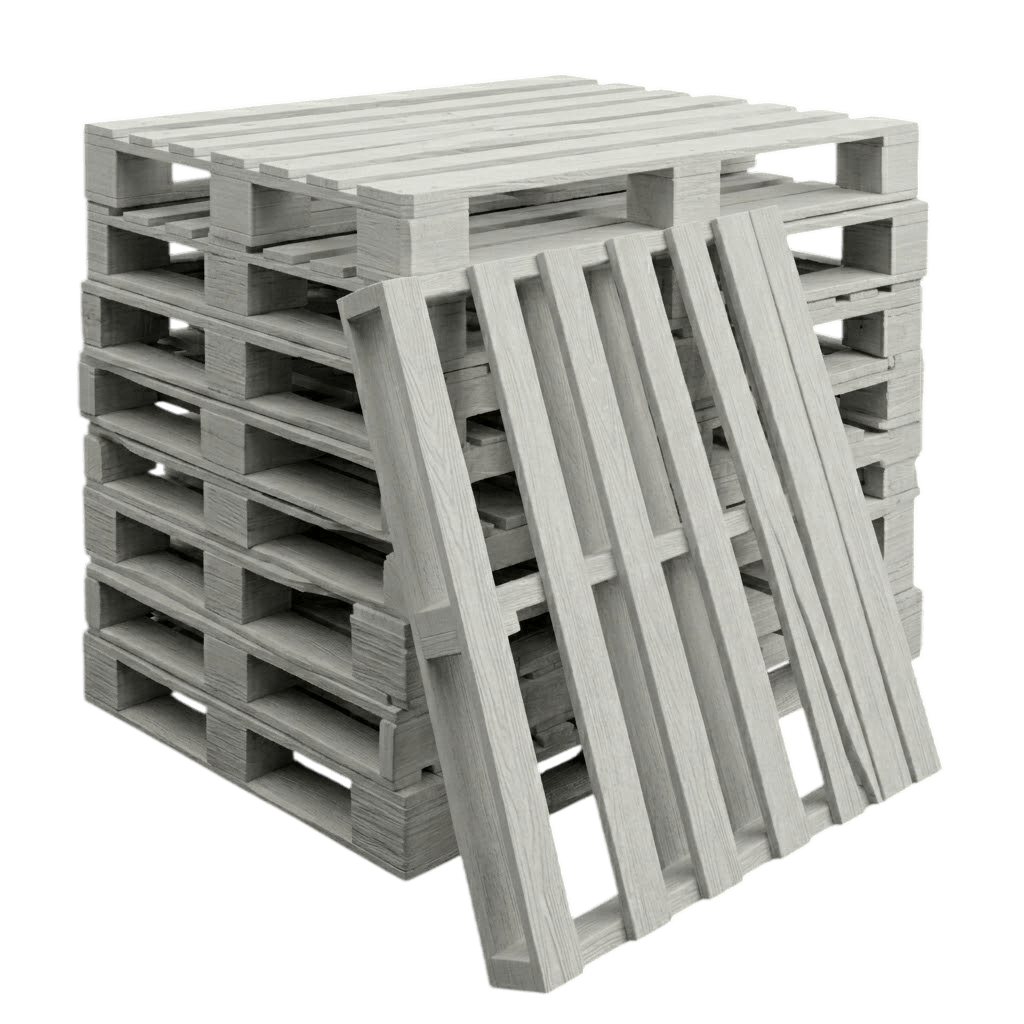
Wood Pallets
Wood is the most common material used for pallets. It’s affordable, easy to repair, and widely accepted in most shipping networks. However, wood is also prone to moisture damage, splinters, and wear over time.
For international shipments, wood pallets must comply with ISPM-15 regulations, meaning they need to be heat-treated or fumigated to prevent the spread of pests. Non-compliant pallets can be rejected at borders. You need a freight partner who understand these hurdles and is ready to advise and assist you at any point to prevent this from becoming a larger problem.
Plastic Pallets
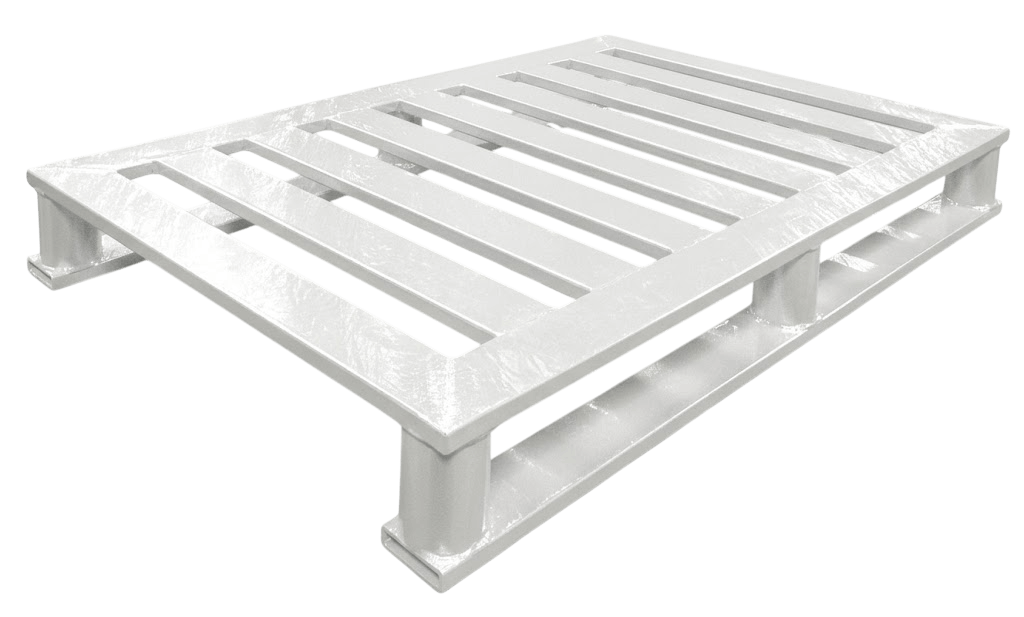
Metal Pallets
These are used in heavy-duty applications, like automotive or military freight. Metal pallets can hold significant weight and last for years, but they’re also expensive and heavier, which may increase your freight costs.
If you’re not sure which type makes sense for your freight, SendIt can help you compare options based on your cargo type, destination, and cost goals.
What Is Pallet Optimization, And Why Should You Care?
Pallet optimization is the process of using every inch of space on and around your pallet to ship more efficiently. Optimizing pallets helps you fit more into each truckload, avoid damage, and reduce labor at both ends of the shipment.
Here’s what that might look like:
-
Using standard box sizes that fit tightly together on a pallet
-
Wrapping pallets securely to prevent movement during transit
-
Limiting air space so you’re not paying to ship “dead weight”
Optimized pallets don’t just travel better, they also make loading and unloading faster, which cuts down handling time and labor costs.
Want to see if your current pallet setup could be costing you money? Ask SendIt’s freight team to help you with a quick optimization strategy.
FAQs About Pallets
Make Pallets Work for Your Freight
A good freight strategy starts from the ground up, and that means making smart choices about your pallets. From choosing the right material and size to stacking properly and optimizing space, every detail impacts cost, efficiency, and product safety.
If you’re not sure where to start, SendIt is here to help. We don’t just move freight, we make it smarter, safer, and more cost-effective from the pallet up.
Let’s talk about your shipping setup. Reach out for a quick consultation or get a pallet review from our freight specialists today.