Bespoke Freight Service Provider
Shipping to Africa
Moving freight into Africa requires more than booking space on a vessel. Inland movement, port variability, and execution gaps can turn a routine shipment into a prolonged disruption. SendIt plans the entire journey so your cargo keeps moving after it arrives.

Over
20K
Unique SKUs Into Africa
More Than
16K
Shipments Into Africa
Surpassing
$ 600M+
Value Brought To Africa
Almost
2 Million
Tonnes Moved Into Africa
The Operational Reality of Freight in Africa
Shipping to Africa is rarely difficult because of ocean transit. The complexity emerges after the vessel arrives. Ports, infrastructure, and inland logistics vary widely across countries and even between neighboring regions.
A container can discharge on schedule and still sit while waiting for trucking, equipment, or coordination between parties. Long inland distances magnify these delays. Small disruptions at the port can translate into weeks of additional transit time inland.
Many supply chains fail at this stage because planning stops at the port. SendIt treats port arrival as the midpoint of the journey. We plan what happens next before the shipment even departs origin.
Reliable delivery into Africa depends on local knowledge, realistic timelines, and continuous ownership of execution.
What Typically Disrupts Shipments
Most delays are not random events. They follow predictable patterns when freight enters environments with constrained infrastructure and limited flexibility.
Common disruption drivers include:
-
Inland trucking shortages or long allocation times
-
Congested ports where queue position matters
-
Equipment limitations for heavy or specialized cargo
-
Missed handling windows that reset scheduling priority
-
Documentation or payment delays that halt the release
Costs escalate gradually as time passes. Storage fees accumulate, demurrage increases, and inland transport premiums rise when capacity tightens. These costs are manageable when anticipated and severe when unexpected.
Planning that assumes ideal conditions usually fails. Planning that anticipates friction keeps cargo moving.
Across African freight environments, inland movement is consistently the primary constraint rather than ocean transit.
How SendIt Keeps Freight Moving
Our approach focuses on continuity. Every stage of the shipment is coordinated so that handovers do not become failure points.
Inland transport is arranged before ocean booking whenever possible. Ports are selected based on throughput and operational reliability rather than geographic proximity alone. Local execution partners are aligned early so they are ready when cargo arrives.
We also build realistic buffers into timelines. This is not pessimism. It is an acknowledgment of real operating conditions. When delays do occur, contingency options are already evaluated, which allows decisions to be made quickly.
Ownership remains clear throughout the journey. Your shipment never waits for someone to decide who is responsible for the next step.
Freight in Africa moves consistently when planning, patience, and accountability are applied together.
Choose SendIt Into Africa
Operational Reliability Indicators
-
98.7% on-time delivery to agreed arrival windows
-
Active monitoring of shipments throughout transit
-
Pre-arranged inland capacity before arrival
-
Dedicated shipment owner
Full Process Transparency
Clients receive clear status updates with context, not generic tracking data. If there are any changes or unforeseen events that happen, these changes are communicated early with recommended actions and a clear path forward. With SendIt you always know where your goods are and who is responsible to get them to their destination.
Risk Reduction Evidence
-
Contingency routing prepared before departure
-
Local carriers vetted for performance and reliability
-
Planning based on real operating conditions
The SendIt Service Into Africa
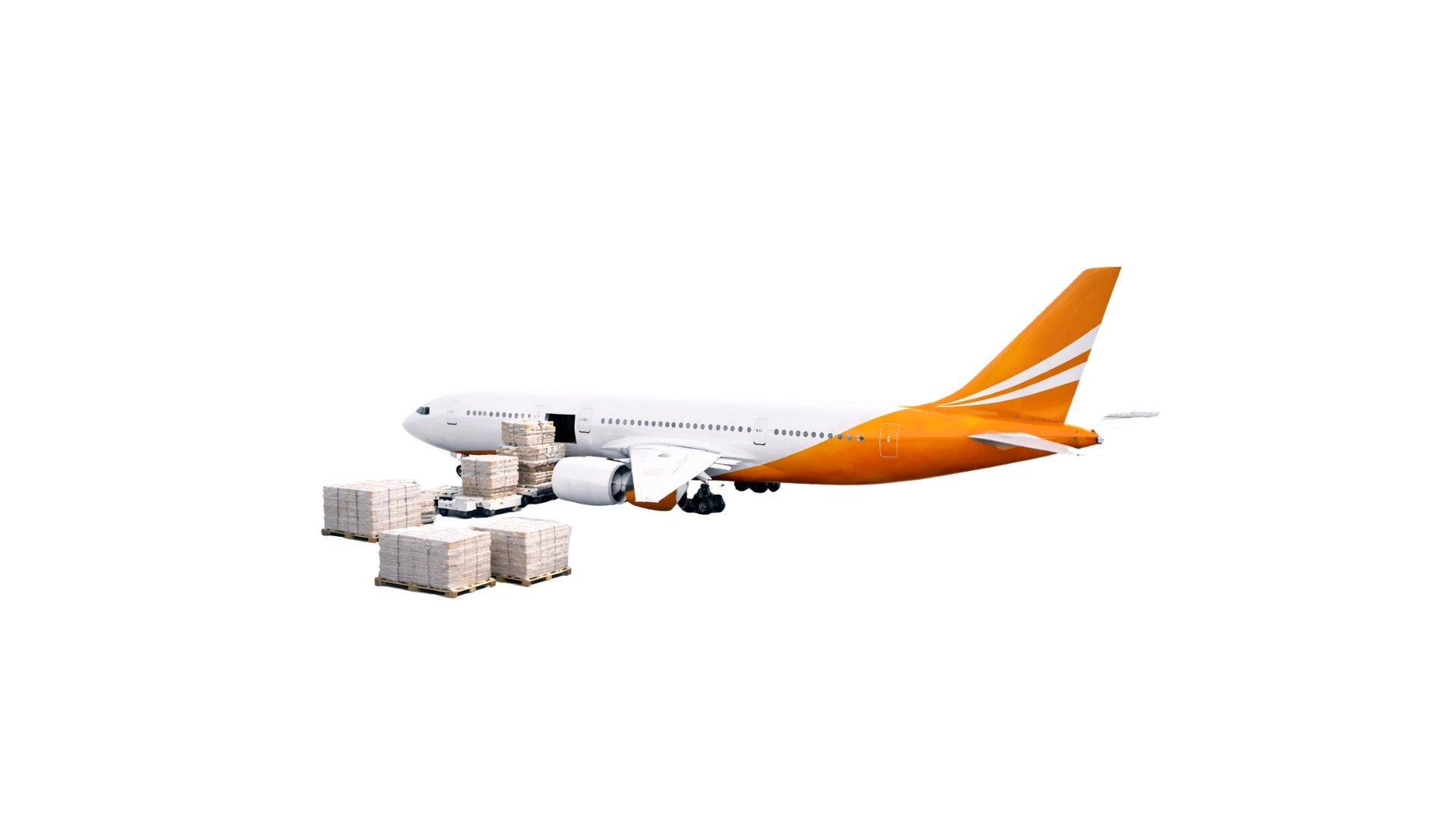
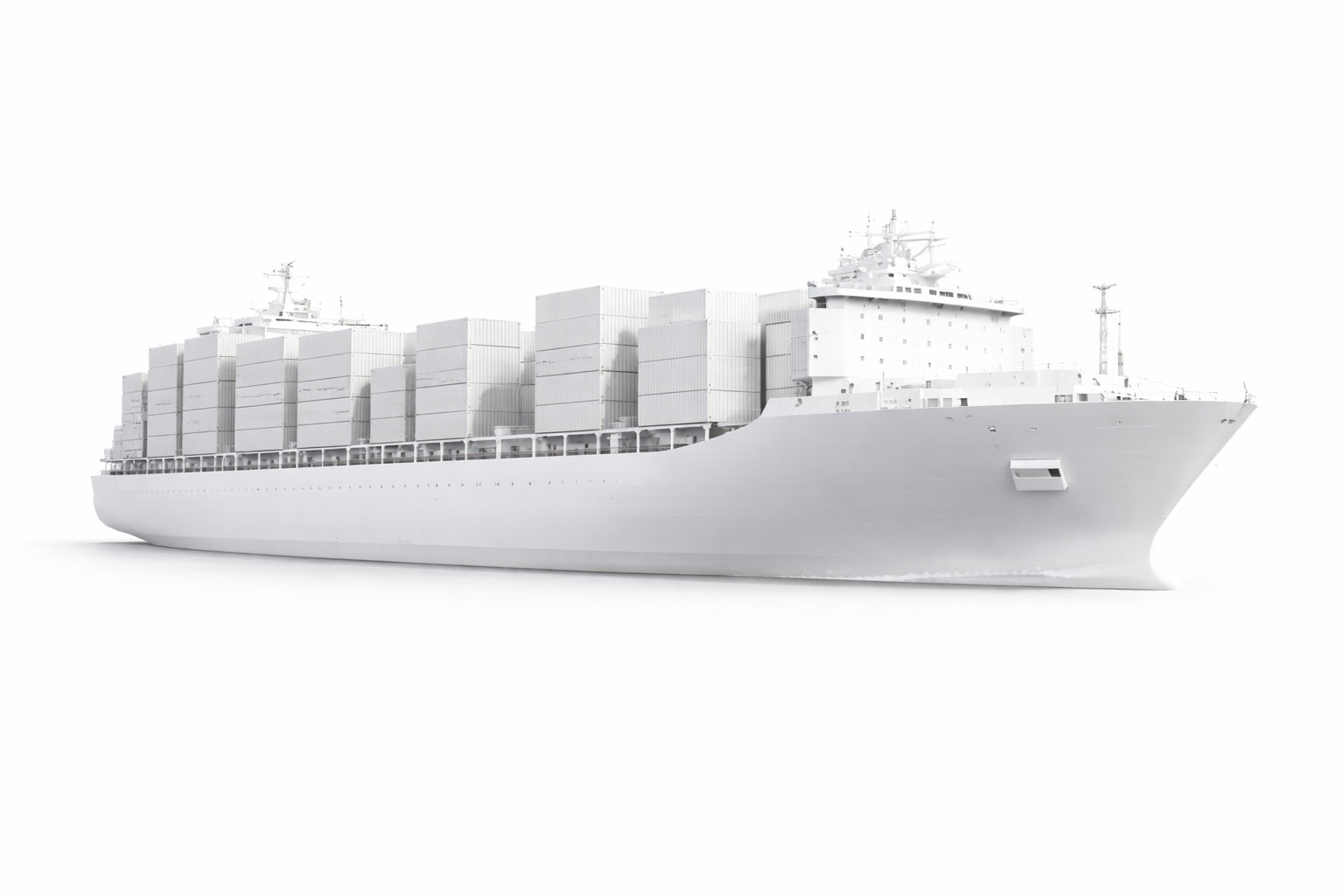
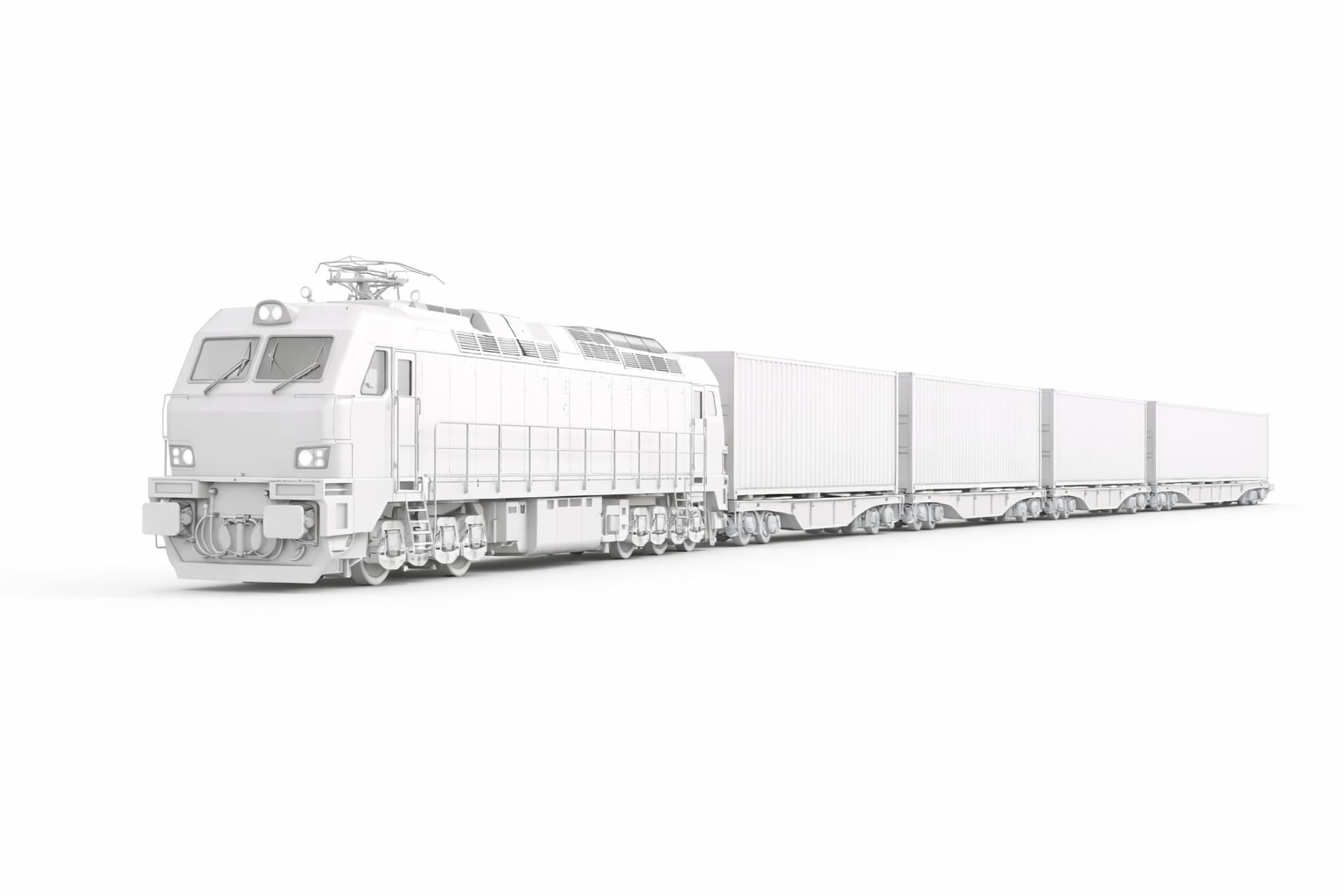
See how SendIt assists your delivery to Africa regardless of the mode of transport you choose to get there.


FAQs For Africa
Ready To Ship
To Africa?
Shipping into Africa does not need to feel uncertain. With the right planning and ownership, freight moves steadily from origin to destination.
If you are preparing a shipment or reviewing options, we can map the route and identify risks before anything is booked.